
NATURE’S GOLDEN SECRET FOR GOOD MOOD, HARMONY AND HEALTH
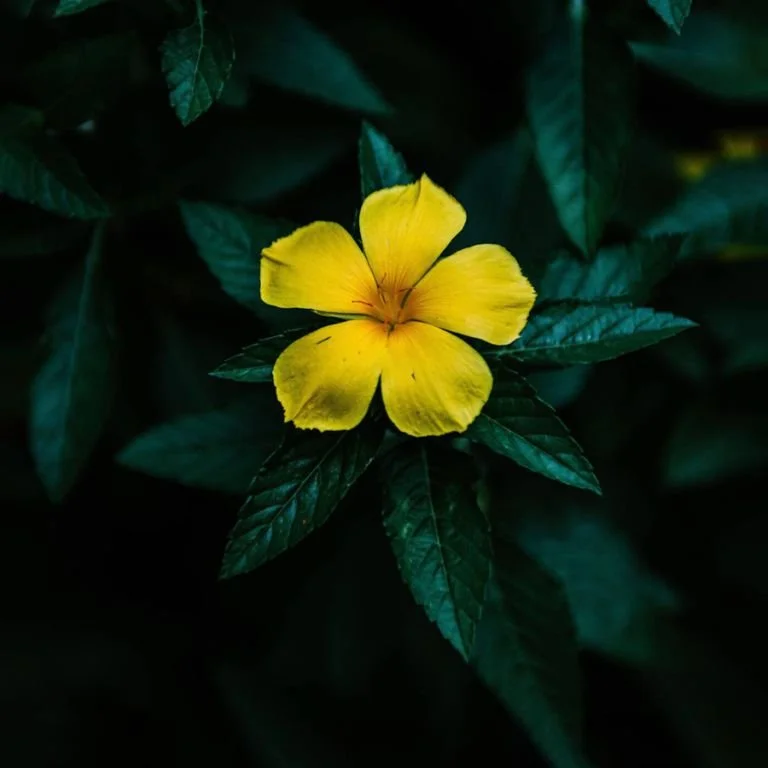
Damiana (Turnera diffusa) has a long history of use as a natural tonic for wellness, mood, sexual health, and stress support. Indigenous peoples of Mexico, Central America, and the Caribbean used it for centuries — not just as a physical remedy but also as a plant that uplifts the spirit and restores balance. Today, Damiana is re-emerging in the world of herbal medicine as people seek gentle, plant-based approaches to well-being.
ORIGIN AND HISTORY
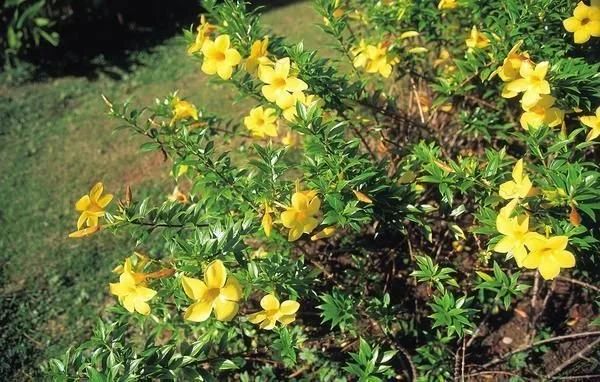
Damiana is native to Mexico, Central America, the Caribbean, and parts of South America, where it grows as a fragrant, warm-weather shrub. Mayan and Aztec healers held the plant in high regard, using it in teas, tinctures, and smoke blends to support vitality and emotional resilience. In some regions, it was also valued as a social and ceremonial plant.
TRADITIONAL USE
Aphrodisiac and libido enhancement — especially to improve sexual desire and performance in men and women.
Nervous system support — calming stress, anxiety, and emotional tension.
Mood enhancement — as a gentle tonic for mild depression and fatigue.
Digestive aid — soothing gas, bloating, and supporting bowel regularity.
Urinary and bladder comfort — used historically as a mild urinary antiseptic.
General tonic and stimulant — supporting energy without overstimulation.
HEALTH BENEFITS OF DAMIANA
1. Nervous System & Stress Support
Damiana is classified as a nervine herb — meaning it acts on the nervous system to promote calm, reduce anxiety, and support emotional balance. Research and herbal literature suggest its compounds may interact with neurotransmitter pathways, helping ease stress and tension.
2. Libido, Hormones & Circulation
The herb is most famous for its traditional use as a natural aphrodisiac. Damiana contains flavonoids and volatile oils that have been linked with increased circulation and nitric oxide production — both of which are important for sexual function and arousal. Some plant molecules may also influence hormone-related pathways, potentially supporting reproductive health.
3. Mood & Emotional Well-Being
Damiana has a long reputation as a plant that enhances mood and supports mild depression and emotional stress. Traditional knowledge holds that it lifts the spirit, and some preclinical research (in animals) supports its calming, anxiolytic potential.
4. Digestive Comfort
Damiana is used to ease digestive discomfort such as gas, bloating, and constipation. Its warming, bitter nature may help stimulate digestion and support regular bowel function.
5. Antioxidant and Antimicrobial Properties
Damiana leaves contain antioxidants — plant compounds that protect cells from oxidative stress — and exhibit some antibacterial activity in test-tube studies. These properties support general health and may aid detox pathways.
HOW DAMIANA WORKS IN THE BODY
Modulating neurotransmitters, potentially influencing mood, relaxation, and stress response.
Supporting circulation and nitric oxide pathways, linked with sexual wellness.
Providing antioxidant protection through flavonoids and phenolic compounds.
Massage & Circulation
Use in gentle massage blends — especially around the pelvic region — to support circulation and sensual wellness.
Self-Care Rituals
Pair with meditation or breathing practices to deepen emotional balance and enhance inner calm.
WHAT DAMIANA CONTAINS AND HOW IT SUPPORTS COLD RELIEF
Damiana (Turnera diffusa) is rich in a variety of bioactive plant compounds that contribute to its traditional use in easing symptoms of coughs, colds, and respiratory discomfort. Among its key constituents are:
Essential Oils — including 1,8‑cineole and thymol, known for their aromatic, soothing, and mild antibacterial properties. These compounds help ease coughs and respiratory irritation and have been traditionally used in alternative medicine for bronchial discomfort.
Flavonoids and Phenolics — natural antioxidants that support immune responses and help reduce inflammation, which is especially helpful during cold and flu seasons.
Triterpenes and Sterols — like beta‑sitosterol, which may have immune‑modulating and anti‑inflammatory actions.
In traditional Latin American herbalism, Damiana tea has been used to soothe coughs, support breathing, and help ease mild fever or respiratory irritation — often in combination with other botanicals.

TRADITIONS ALIGNS WITH MODERS RESEARCH
Damiana has a long history in folk medicine — used not only as a tonic and aphrodisiac but also to soothe respiratory and general malaise symptoms. Traditional knowledge has passed down its use for coughs and “cold‑like” discomfort, especially in Mexican and Central American ethnobotany.
Modern phytochemical research supports many of these traditional uses:
Antioxidant and anti‑inflammatory actions of flavonoids and phenolic compounds suggest supportive effects during inflammatory stress, which often accompanies colds.
Essential oils like cineole and thymol are similarly found in other traditional cold remedies (e.g., eucalyptus and thyme), contributing to decongestion and soothing effects.
Some studies even highlight hepatoprotective (liver‑protective) compounds in Damiana, demonstrating a broader potential for systemic detox and resilience, which may indirectly support overall immune function.
WHY DAMIANA DESERVES A PLACE IN YOUR HOME’S HERBAL PHARMACY
Damiana isn’t just another herb; it’s a multifunctional, gentle botanical ally with uses that are particularly fitting for seasonal wellness routines:
Comforting Respiratory Support: Aromatic essential oils may help soothe coughs and ease breathing.
Stress & Nervous System Support: Traditional and herbal medicine sources describe Damiana as a nervine — a plant that supports relaxation, mood balance, and emotional resilience during times of stress, which can help keep the immune system balanced during cold season.
Digestive & Tonic Benefits: As a mild digestive and systemic tonic, Damiana can support appetite and general well‑being — helpful when illness suppresses usual energy and digestion.
Aromatic Comfort: Its pleasant scent and calming profile make Damiana tea or warm infusions a soothing ritual for cold evenings.
Because Damiana is versatile, gentle, and traditionally well‑tolerated in moderate amounts, many herbalists view it as a valuable supportive plant for everyday and seasonal self‑care.
SUSTAINABLE NATURAL TREASURE
Damiana plants are adapted to hot, dry environments of Mexico, Central America, and the Caribbean. Historically, Damiana was wild‑harvested, and recent interest in herbal medicine has increased demand. Sustainable practices are essential to preserve this plant’s natural populations.
Choosing responsibly sourced and organic Damiana — whether as dried herb, tincture, or essential oil — means you are:
Supporting ethical harvesting and cultivation
Reducing pressure on wild ecosystems
Encouraging fair trade practices among farming communities
By prioritizing organic and sustainable sources, you help ensure that Damiana remains available as a botanical resource for future generations — much like how traditional communities safeguarded this plant for centuries.
NATURAL WELL-BEING THROUGH COLD SEASON
Damiana (Turnera diffusa) is more than an herbal aphrodisiac — it’s a multi‑purpose traditional remedy with supportive effects that align well with seasonal wellness needs. Its blend of flavonoids, essential oils, and aromatic compounds offers gentle respiratory comfort, immune‑supportive antioxidants, and calming benefits that can help soothe stress and discomfort during cold season.
Whether prepared as a tea, used in a tincture, or enjoyed through your organic Damiana oil as part of a calming self‑care ritual, this ancient plant brings both tradition and modern herbal insight into your home medicine cabinet.
🌿 Tip: Always combine herbal support with rest, hydration, and conventional medical advice when managing significant symptoms.
A gentle, heart-nurturing extract crafted from lovingly selected herbs, prepared under the full moon in small batches by our artisan herbalists. Using only wild-harvested or organically grown botanicals, this blend is free from additives — honouring ancient tradition and deep respect for nature. Dmso supports an efficient extraction process, helping to transport plant constituents deeply while keeping their qualities intact.
Blending calming nervine and heart-tonic herbs, this formula is designed to gently support both emotional balance and the subtle energetic rhythms of the heart. It invites softness, emotional openness, and a sense of inner calm — offering a nourishing space for the heart and the spirit.
🌿Organic / wild-harvested herbal ingredients only
🌿 Full-moon artisanal preparation
🌿 Infused in premium pure dmso
🌿 No additives, fillers, or synthetic ingredients
🌿This formula has been created to support emotional balance and heart-centered well-being
Holistic Properties of Each Plant
Motherwort (Herzgespann)
Calms the nervous system and softens emotional tension
Supports heart-centered balance and steady rhythm
Encourages grounding and inner ease
Hawthorn (Weißdorn)
Traditionally revered as a heart-nourishing plant
Supports circulation, warmth, and emotional openness
Helps cultivate gentle strength and centered presence
Valerian Root (Baldrianwurzel)
Deeply calming and soothing to the whole system
Supports relaxation and a sense of inner peace
Traditionally used to quiet restlessness and emotional overstimulation
Damiana
Encourages emotional uplift and sensory presence
Supports balanced energy and gentle clarity
Traditionally used to harmonize mood and connection
Cacao
Opens the emotional heart and enhances warmth
Supports mood, creativity, and gentle inner activation
Traditionally honored as a plant of joy and connection
Olive Leaves (Olivenblätter)
Support clear, stable energy and natural resilience
Traditionally used for protection and inner purification
Promote grounded clarity and gentle immune harmony✧ Practical Info
How to Use:
Dosage:
Take 2–3 drops, twice daily.
In acute phases:
The dosage may be increased to 3–5 drops, up to 2–5 times daily, or as advised by a qualified therapist.
Important:
Adequate hydration is essential. Please ensure an intake of 3–5 liters of water or organic herbal tea per day during use.
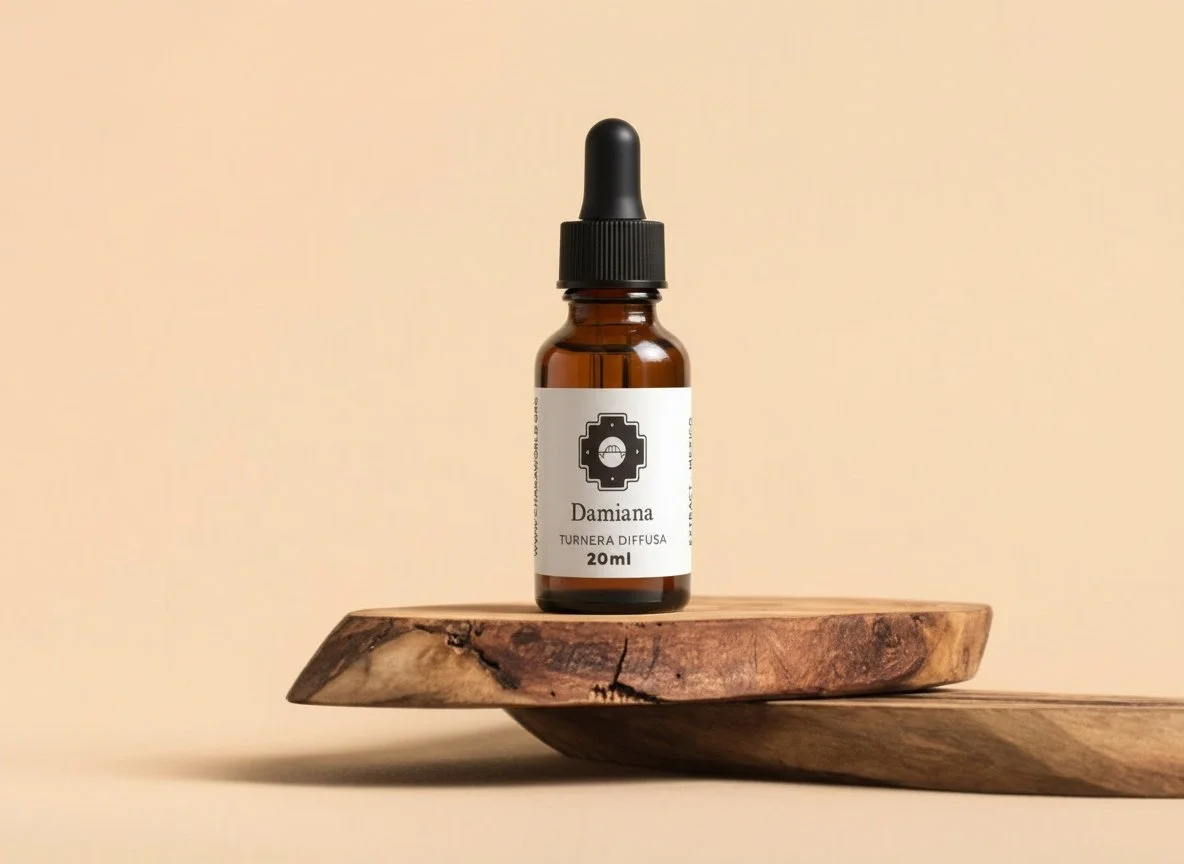
• 20 ml amber glass dropper bottle
• Keep in a cool, dry place away from direct sunlight
• Keep out of reach of children